Table of contents
I've been running a second brain for years. Obsidian vault, daily notes, project folders, the whole system. Thousands of notes. And here's the honest truth: most of that knowledge sits there doing nothing.
The capture problem is solved. We figured that out. Obsidian, Notion, Roam, Logseq — pick your tool, and you can get information in fast. The problem was always getting it back out at the right moment, in the right context, without spending twenty minutes searching.
In 2026, that problem is finally getting solved. And the answer isn't better search. It's agents.
The Filing Cabinet Problem
Second brains were sold on a promise: write everything down, link it together, and your future self will thank you. And that's partially true. I've absolutely pulled up old notes that saved me hours of re-research.
But the ratio is terrible. For every note I successfully retrieve, there are dozens that never surface again. Not because they aren't valuable — because I forgot they existed, or I didn't search the right keyword, or the context I needed them in didn't trigger any memory of writing them.
This is the filing cabinet problem. A filing cabinet is only as good as your ability to remember what's in it and where you put it. Your second brain has the same limitation. It's passive storage with a search bar.
The PKM community has tried to solve this with better linking, better tagging, better folder structures, MOCs (Maps of Content), and various review rituals. These help. But they're all manual. They all depend on you doing the work of synthesis and retrieval.
What if your second brain could do that work itself?
MCP Changes the Architecture
The shift happening right now is structural, not incremental. Model Context Protocol (MCP) — the open standard that Anthropic released and the industry adopted — lets AI agents connect directly to local tools and data sources. Including your knowledge base.
This isn't "AI-powered search." It's not a chatbot sitting on top of your notes. It's a protocol that lets agents read, search, create, and modify files in your vault. Your second brain goes from a filing cabinet to a live workspace that agents actively participate in.
The current best-in-class setup looks something like this:
| Layer | Tool | Role |
|---|---|---|
| Knowledge base | Obsidian (local vault) | Storage, linking, daily capture |
| AI runtime | Claude Code / Claude Desktop | Agent execution, reasoning |
| Connection layer | MCP servers | Bridge between agent and vault |
| Memory persistence | Brain manifest / memory files | What the agent remembers across sessions |
The key insight: your vault stays local. The agent connects to it through MCP, reads what it needs, and operates on your files directly. No uploading your entire brain to a cloud service. No third-party indexing. The files stay on your machine.
What Changes When Your Second Brain Has Agents
1. Automatic Synthesis
This is the big one. Agents can read hundreds of notes and surface connections you missed entirely.
I'll give you a concrete example. I had notes on three separate topics: RBAC permission patterns from a security project, a user research summary about team onboarding friction, and a technical spike on workspace isolation. Completely separate folders, written months apart. An agent reading across all three immediately flagged that the onboarding friction was caused by the permission model I'd documented, and the workspace isolation pattern I'd spiked would solve it.
I never would have connected those three notes manually. They were in different projects, different time periods, different mental contexts. But an agent doing a broad read across the vault found the thread in seconds.
This isn't search. Search requires you to know what you're looking for. This is pattern recognition across your entire knowledge base — the thing second brains were supposed to do but couldn't without a human manually reviewing everything.
2. Proactive Retrieval
Instead of you going to your notes, your notes come to you.
When an agent has access to your vault, it can pull relevant context into whatever you're currently working on. Starting a new API design? The agent already knows you wrote about rate limiting patterns, authentication flows, and error handling conventions. It brings those notes into the conversation without you asking.
This flips the retrieval model. Traditional PKM is pull-based — you search when you remember to search. Agent-augmented PKM is push-based — relevant knowledge surfaces automatically based on what you're doing right now.
The practical impact is significant. I estimate that 30-40% of the "re-research" I used to do — looking up things I'd already figured out — is now handled by proactive retrieval. The agent has read my vault. It knows what I know. It reminds me before I waste time re-discovering it.
3. Knowledge Maintenance
Every second brain eventually rots. Links break, information gets stale, contradictions accumulate as your thinking evolves. The "digital garden" metaphor was aspirational — real gardens need constant tending, and most of us don't tend our notes.
Agents can do this maintenance work. Flag notes that reference deprecated tools. Identify when two notes contradict each other. Suggest updates when a topic you wrote about six months ago has moved forward. Surface notes that are isolated — no links in or out — that might be orphaned or might need to be connected to something.
The digital garden metaphor becomes literal. You have a gardener.
4. Shared Context Layer
This is where it gets interesting for teams and multi-agent setups.
Your second brain becomes a shared context layer for all your agents. Every agent on your team — whether it's handling code review, project management, research, or design — reads from the same knowledge base. Institutional knowledge isn't trapped in one person's head or one agent's context window. It's persistent and shared.
At Celune, we built a brain manifest system around this idea. Agent memory compounds across sessions — what one agent learns gets written back to the knowledge base, and every other agent benefits from it. The vault isn't just your memory anymore. It's the team's memory.
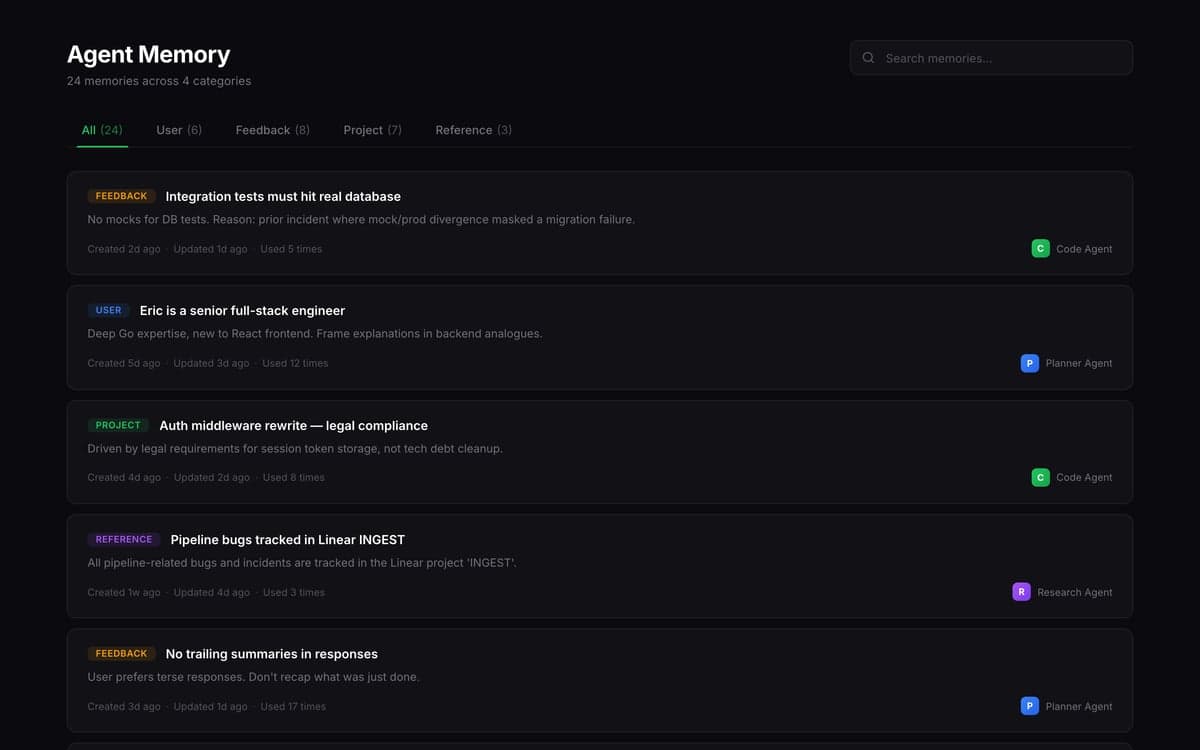
This matters because the biggest bottleneck in knowledge work isn't individual productivity. It's context transfer. How do you get what Person A knows into Person B's workflow? A shared second brain with agent access solves this at the infrastructure level.
The Privacy Question
I know what you're thinking. "I'm not uploading my entire brain to some AI company's servers."
Good. You shouldn't have to.
This is why the local-first architecture matters so much. Obsidian stores everything as plain Markdown files on your machine. MCP connects agents to those files locally. The agent reads your notes, but the notes never leave your device.
Compare this to cloud-first approaches. Notion AI indexes your workspace on Notion's servers. Mem stores everything in their cloud. These tools work, and for some people the convenience tradeoff is worth it. But for anyone dealing with sensitive information — proprietary code, client data, personal reflections — local-first isn't a preference. It's a requirement.
The open protocol approach (MCP) also means you're not locked into one AI provider. You can connect Claude, or another model, or switch between them. Your knowledge base is yours. The agent layer is replaceable.
The Current Landscape
Here's an honest assessment of where things stand in early 2026:
| Approach | Strengths | Limitations |
|---|---|---|
| Obsidian + MCP + Claude | Local-first, full vault access, open protocol | Requires setup, technical users |
| Notion AI | Built-in, zero setup, good for teams | Cloud-only, limited agent capabilities |
| Mem | AI-native from the start, good synthesis | Cloud-only, smaller ecosystem |
| Reflect + AI | Clean UX, good for personal notes | Limited integration surface |
| Logseq + plugins | Open source, graph-based | Smaller community, fewer AI integrations |
The Obsidian + MCP stack is winning on capability. It's the most flexible, the most private, and the most powerful. But it's also the hardest to set up. There's a real gap between "technically possible" and "accessible to normal people."
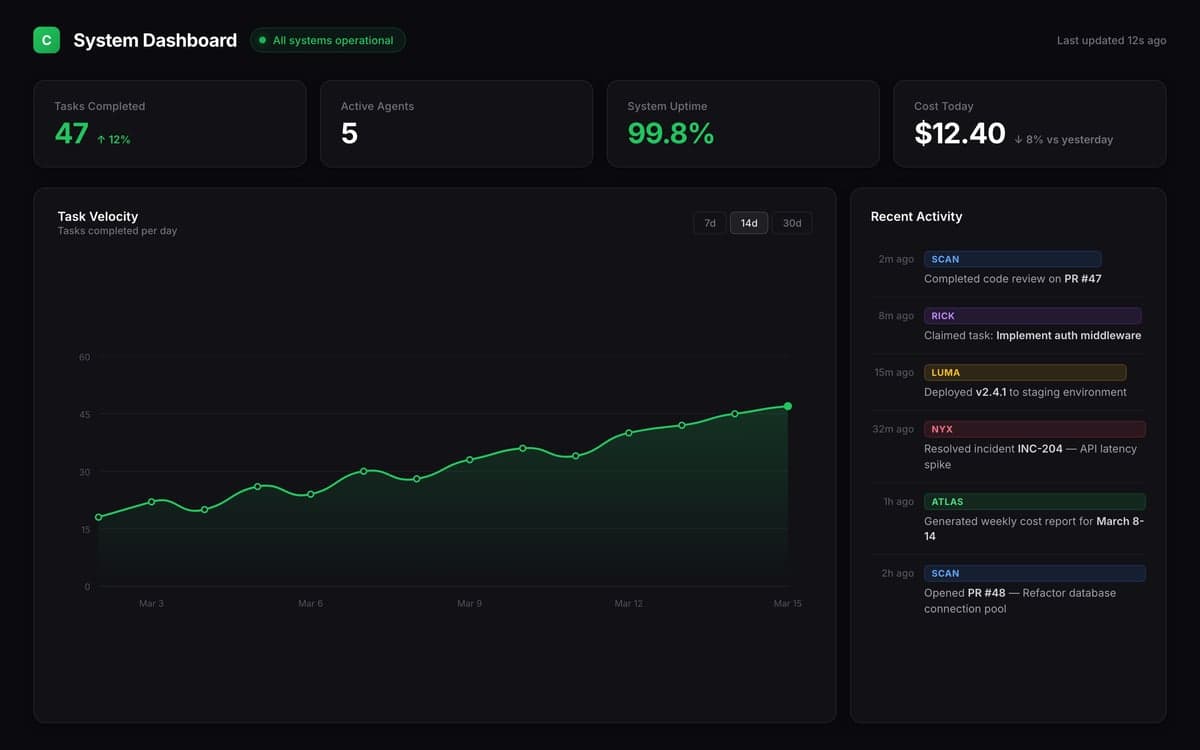
That gap is closing fast. MCP server setup is getting simpler. Obsidian plugins are abstracting the configuration. And platforms like Celune are building the persistent memory layer so agents don't start from zero every session.
But if I'm being honest, we're still in the "early adopter" phase. The people getting value from agent-augmented second brains right now are technical, willing to tinker, and comfortable with CLI tools. Mass adoption needs another 6-12 months of UX polish.
What to Do Right Now
If you're running a second brain and haven't connected it to an AI agent yet, here's the practical starting point:
-
Get your vault in order. Plain Markdown files, reasonably organized. Doesn't need to be perfect — agents are surprisingly good at navigating messy vaults — but basic folder structure helps.
-
Set up MCP. Connect your vault as an MCP resource. If you're using Claude Code or Claude Desktop, this is straightforward configuration.
-
Start with retrieval, not creation. Let the agent read your existing notes before you ask it to create new ones. The value is in what you've already captured.
-
Build a memory layer. This is where most setups fall short. Without persistent memory, your agent forgets everything between sessions. You need some form of brain manifest or memory file that persists what the agent learned.
-
Be patient with synthesis. The "magic connections" between notes happen, but they happen during real work, not during demos. Use your agent-augmented brain for actual projects and the synthesis compounds naturally.
The Bigger Picture
The second brain movement started as a response to information overload. Capture everything, organize later, trust the system. It worked for capture. It didn't work for synthesis, retrieval, or maintenance.
AI agents fix the other three. Your second brain goes from a passive archive to an active collaborator. It surfaces what you need, connects what you missed, and maintains itself over time.
We're at the beginning of this shift. The tools are maturing, the protocols are standardizing, and the early results are genuinely impressive. If you've invested time in building a knowledge base, you're about to get a massive return on that investment.
Your second brain has been waiting for its own agents. In 2026, it's finally getting them.
Written by Celune Team